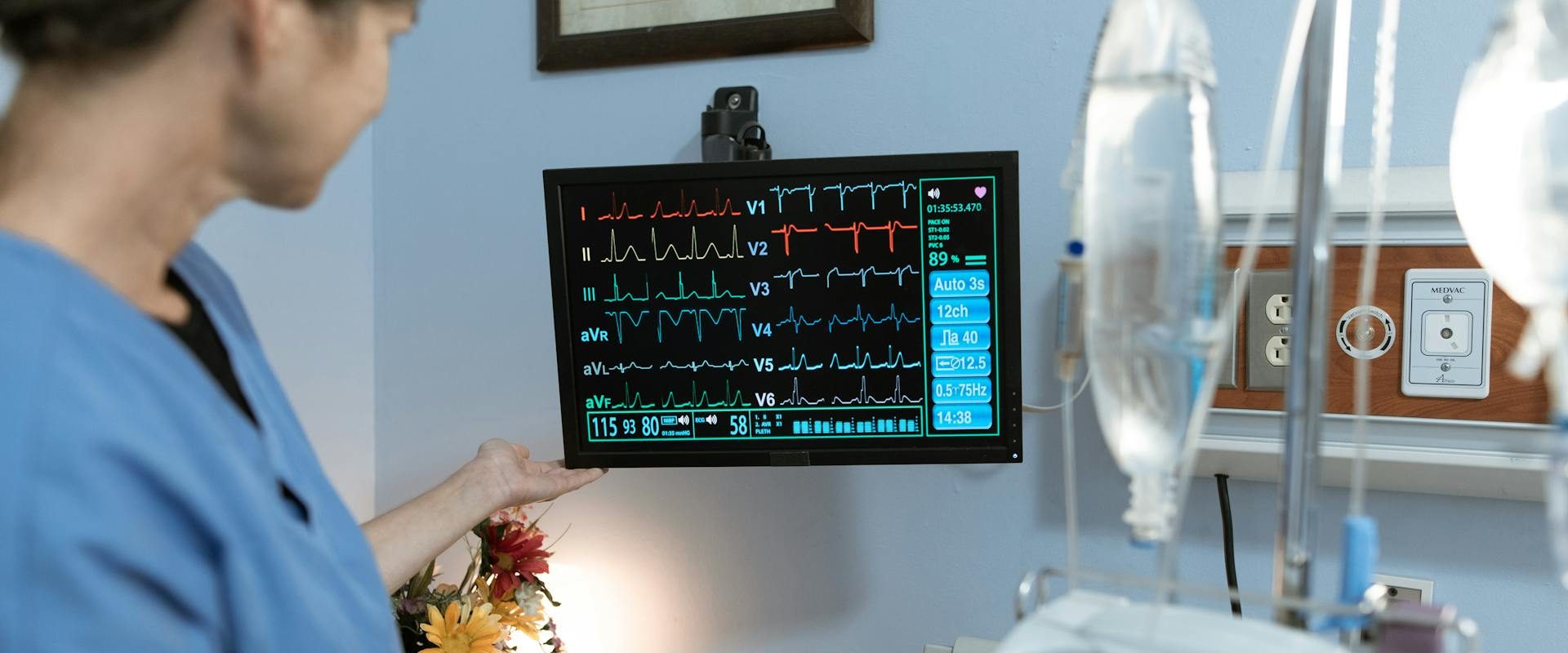
Remote Patient Monitoring (RPM) is a healthcare model that uses digital devices to track patient health data from home.
By bridging the gap between clinic visits, RPM reduces hospital stays by up to 38% and saves thousands in costs
Remote Patient Monitoring in 60 Seconds
| Remote patient monitoring (RPM) is a technology-enabled healthcare delivery model that collects real-time patient health data — such as blood pressure, glucose levels, heart rate, and oxygen saturation — from patients at home using FDA-approved devices, then securely transmits that data to clinicians for review, intervention, and care plan adjustments. RPM bridges the gap between clinic visits, enabling continuous, proactive care for chronic disease management, post-surgical recovery, cardiac monitoring, COPD, hypertension, diabetes, and elderly or rural patients. Medicare (CMS) reimburses RPM services under CPT codes 99453, 99454, 99457, and 99458. Studies show RPM can reduce hospital readmission by up to 38%, lower costs by thousands per patient annually, and dramatically improve patient engagement and outcomes. |
How Does Remote Patient Monitoring Work? A Step-by-Step Breakdown
Understanding how remote patient monitoring works is essential for both providers looking to implement an RPM program and patients wondering what to expect. At its core, RPM creates a continuous data bridge between the patient’s home and the clinical team. Here is exactly how that process unfolds.
Step 1 – Patients Use FDA-Approved RPM Devices at Home
The remote patient monitoring process begins when enrolled patients receive an FDA-approved remote patient monitoring device — such as a blood pressure cuff, pulse oximeter, glucometer, or cardiac monitor — either shipped to their home or provided at a clinic visit. Providers configure the device based on the patient’s condition, alert thresholds, and care plan. The patient measures their vitals at prescribed intervals throughout the day, usually once or twice daily, with minimal technical effort required.
| Patient ScenarioSarah, 67, diagnosed with hypertension and Type 2 diabetes, receives a Bluetooth-connected blood pressure cuff and a continuous glucose monitor (CGM). Every morning, she takes her readings. Within seconds, the data is wirelessly transmitted to her cardiologist and endocrinologist’s shared dashboard — no manual logging, no clinic trip required. |
Step 2 – Biometric Data Is Captured & Securely Transmitted
Once the patient completes a measurement, the remote patient monitoring device captures the biometric data and transmits it securely — typically over cellular, Bluetooth, or Wi-Fi — to a HIPAA-compliant cloud-based remote patient monitoring platform. This platform aggregates, stores, and analyzes the data in real time. Many modern RPM platforms use AI-driven algorithms to detect anomalies, trend deviations, or critical threshold breaches the moment data arrives.
Step 3 – Clinicians Review Alerts & Take Action in Real Time
On the provider side, the care team — which may include physicians, RPM nurses, remote patient monitoring specialists, and care coordinators — reviews incoming data through a clinical dashboard. If a reading breaches a preset alert threshold (for example, a systolic blood pressure above 180 mmHg), the system generates an immediate alert. The clinician can then contact the patient by phone, telehealth video visit, or secure message, potentially preventing a hypertensive emergency or hospital admission.
Step 4 – Care Plans Are Adjusted & Outcomes Are Documented
After reviewing data trends and communicating with the patient, clinicians document all interventions, adjust medications or care plans, and log clinical time for billing purposes. This documentation feeds into the EHR integration layer of the RPM platform, ensuring seamless continuity of care. Providers log time under the appropriate remote patient monitoring CPT codes to receive CMS reimbursement for services rendered.
| RPM WORKFLOW FLOWCHARTPatient Takes Reading at Home ↓FDA-Approved RPM Device Captures & Transmits Data ↓HIPAA-Compliant Cloud Platform Processes & Analyzes Data ↓AI-Driven Alerts Sent to Provider Dashboard ↓Clinician Reviews, Contacts Patient & Documents Intervention ↓Care Plan Adjusted | CPT Codes Billed | Outcomes Tracked |
Remote Patient Monitoring Devices & Technologies Powering Modern RPM
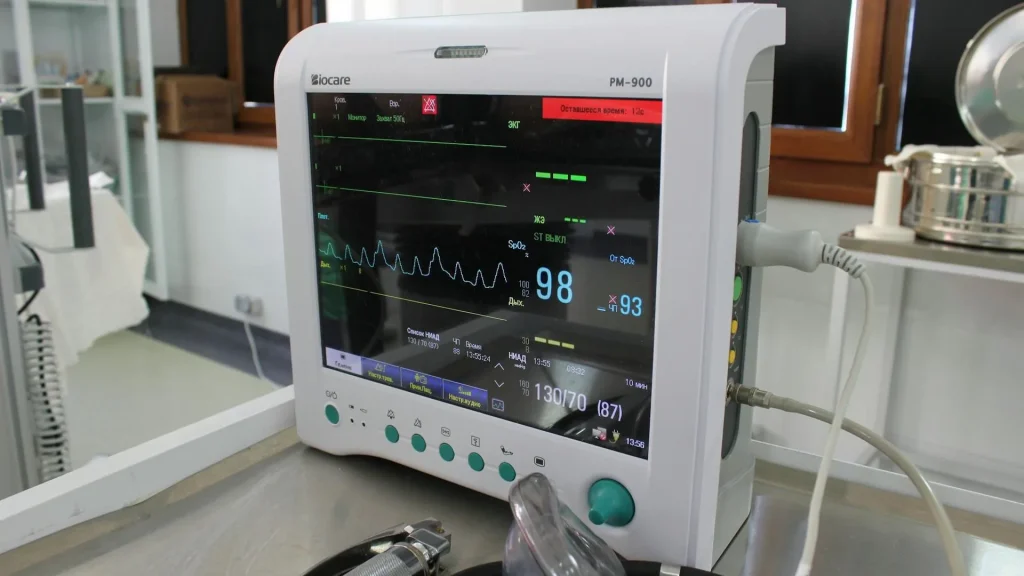
The hardware and software stack powering remote patient monitoring has evolved rapidly. Today’s remote patient monitoring devices are lightweight, wireless, and consumer-friendly — yet clinically precise. Understanding the technology landscape helps providers choose the right remote patient monitoring solution for their patient population.
The Most Widely Used RPM Devices in 2026
| Device Name | Condition Monitored | Key Feature | Best For |
| Blood Pressure Cuff (Smart BP Monitor) | Hypertension, CVD, Heart Failure | Bluetooth/Cellular, AI-driven alert thresholds, automated trend analysis, integration with telehealth platforms | Patients needing daily BP tracking and early alerts for cardiac events |
| Continuous Glucose Monitor (CGM) | Diabetes (Type 1 & 2) | Real-time glucose trends, predictive AI alerts for hypo/hyperglycemia, integration with insulin pumps and RPM platforms | Diabetic patients requiring real-time glucose monitoring and insulin adjustment |
| Pulse Oximeter | COPD, Asthma, Heart Failure, Post-COVID Monitoring | SpO2 + heart rate, continuous 24/7 wearable, AI alerting for desaturation events | Patients with respiratory conditions or recovering from COVID-19 |
| ECG / Cardiac Monitor | Arrhythmia, AFib, Heart Failure | Continuous rhythm monitoring, AI-driven arrhythmia detection, cloud-based clinician dashboards | Cardiac patients needing continuous heart rhythm monitoring |
| Smart Weight Scale | Heart Failure, Obesity, Weight Management | Daily weight trending, fluid retention alerts, AI insights for early decompensation detection | Patients managing heart failure or obesity with weight tracking needs |
| Spirometer | COPD, Asthma, Respiratory Disease | Home-based FEV1/FVC measurements, automated trend tracking, remote clinician review | Respiratory patients needing lung function tracking at home |
| Wearable Activity Tracker | Cardiac Rehab, Diabetes, Obesity, General Health | Steps, heart rate, sleep, stress, oxygen levels, integrates with RPM dashboards | Active patients needing holistic health and activity tracking |
| Smart Thermometer | Post-Surgery, Infection Monitoring | Automated readings, trend tracking, AI-based fever prediction, integration with RPM care plans | Patients recovering from surgery or monitoring infection risk |
| Smart Respiratory Patch | COPD, Asthma, Sleep Apnea | Continuous breathing rate and oxygen monitoring, alerts for exacerbations, wearable 24/7 | Patients with chronic respiratory conditions needing continuous monitoring |
| Remote Medication Adherence Device | Chronic Disease, Hypertension, Diabetes | Tracks pill intake, sends automated reminders, integrates with RPM platforms for adherence reporting | Patients with chronic conditions who struggle with medication adherence |
The Tech Stack Behind RPM – AI, IoT, Cloud & Mobile Apps
Modern remote patient monitoring (RPM) in 2026 is powered by a sophisticated convergence of IoMT devices, artificial intelligence, cloud computing, and mobile health applications. This integrated tech stack allows clinicians to monitor patients remotely, detect early warning signs, and intervene before a condition escalates into a clinical crisis.
- IoMT Devices: Blood pressure monitors, continuous glucose monitors (CGMs), pulse oximeters, ECG monitors, smart weight scales, and wearable activity trackers. These devices collect real-time biometric data 24/7 and transmit it securely to cloud platforms via Bluetooth or cellular networks.
- Patient-Facing Mobile Apps: Allow patients to input data, receive automated reminders, message clinicians, and access personalized health education. Apps also integrate with wearable devices, enabling seamless monitoring across multiple conditions.
- Cloud-Based Platforms: Securely store patient data, track trends over time, and provide real-time alerts for early signs of deterioration, decompensation, or non-adherence. Modern RPM platforms now offer predictive analytics and AI-driven insights to anticipate health events before they occur.
- AI & Machine Learning: Analyze large datasets to identify patterns, stratify patient risk, and trigger automated alerts. Advanced systems include virtual health assistants and AI avatars that guide patients through care plans and provide instant support.
- EHR & Telehealth Integration: RPM platforms are now fully interoperable with major EHR systems such as Epic, Cerner, and Athenahealth, allowing clinicians to review data within their workflow. Integration with telehealth platforms enables virtual visits triggered by alerts, creating a unified remote care model.
Why It Matters:
This 2026 tech stack enhances patient engagement, reduces hospital readmissions, and improves outcomes for chronic disease management. For example, a heart failure patient’s daily weight trends can automatically alert clinicians to early fluid retention, prompting timely intervention before hospitalization is needed.
FDA-Approved Remote Patient Monitoring Devices – What Qualifies
For CMS reimbursement, RPM devices must be FDA-approved (cleared) medical devices, typically classified under Class II. This ensures that the devices meet rigorous clinical accuracy and safety standards, distinguishing them from consumer-grade wellness gadgets.
- Only prescription medical devices qualify for reimbursable RPM programs.
- FDA clearance guarantees that devices have undergone clinical testing to ensure reliable readings for patient management.
- Providers should always verify FDA clearance status before integrating devices into their RPM program to ensure compliance and reimbursement eligibility.
Common FDA-Cleared RPM Devices
- Blood Pressure Monitors: Withings BPM Connect, iHealth Track – automated readings with alert thresholds
- Continuous Glucose Monitors (CGMs): Dexcom G7, Abbott FreeStyle Libre 3 – real-time glucose tracking with AI alerts
- Pulse Oximeters: Masimo MightySat – SpO2 + heart rate monitoring for respiratory and cardiac patients
- ECG / Cardiac Monitors: Kardia Mobile ECG – continuous rhythm monitoring with AI-driven arrhythmia detection
- Wearables & Other RPM Devices: Emerging FDA-cleared devices now include smart respiratory patches and AI-enabled medication adherence trackers
Benefits of Remote Patient Monitoring – What the Data Actually Shows
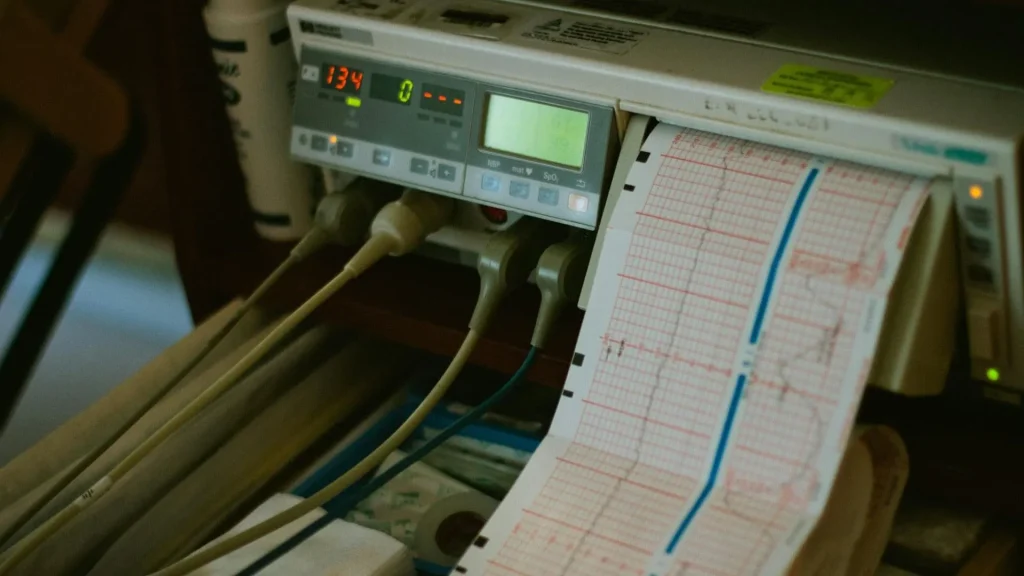
The benefits of remote patient monitoring extend far beyond convenience. Rigorous clinical studies, CMS data, and real-world outcomes demonstrate that well-implemented RPM programs deliver measurable improvements in clinical outcomes, healthcare economics, and patient experience.
Clinical Benefits – Better Outcomes, Fewer Readmissions
A landmark study published in JAMA Internal Medicine found that RPM reduced 30-day hospital readmissions by 38% for heart failure patients. A 2023 analysis in the Journal of the American Medical Association demonstrated that patients enrolled in RPM programs for hypertension achieved significantly greater reductions in systolic blood pressure compared to usual care (mean difference: -7.6 mmHg). The American Heart Association notes that remote monitoring improves medication adherence, a key driver of cardiovascular outcomes.
- 38% reduction in 30-day hospital readmissions (JAMA Internal Medicine, heart failure patients)
- 76% of hypertension RPM patients achieved blood pressure control within 3 months (AHA data)
- Diabetes RPM patients show an average HbA1c reduction of 1.2% within 6 months of enrollment
- COPD exacerbations reduced by up to 50% with continuous remote patient monitoring for COPD
- Mortality reductions of 10-20% observed in cardiac remote patient monitoring programs
Financial Benefits – Lower Costs for Providers & Payers
Remote patient monitoring delivers substantial financial benefits by reducing emergency department visits, hospitalizations, and costly acute interventions. The American Hospital Association reports that RPM programs can save an average of $3,500 per patient annually in avoidable healthcare costs. For payers, ROI analysis consistently shows a 3:1 to 5:1 return on RPM program investment when deployed for high-risk chronic disease populations.
| Financial Impact HighlightA large regional health system in California deployed RPM for 1,200 CHF patients over 12 months. Results: 42% fewer ER visits, $4.2M in avoided hospitalization costs, and net savings of $3,100 per enrolled patient — after subtracting all RPM platform fees and device costs. |
Patient Benefits – Engagement, Convenience & Peace of Mind
From the patient perspective, remote patient monitoring benefits include the ability to manage health conditions from the comfort of home, eliminating transportation barriers, reducing the anxiety of frequent clinic visits, and feeling continuously connected to their care team. Studies show RPM patients report higher satisfaction scores (HCAHPS-equivalent) and demonstrate greater engagement in self-care behaviors than non-monitored counterparts.
- Up to 70–80% of patients report improved confidence in managing their health with RPM (varies by study)
- RPM programs have shown significant reductions in patient anxiety and improved engagement levels
- Digital engagement can increase substantially among RPM-enrolled patients
- Medication adherence improves notably with continuous monitoring and follow-ups
Benefits of RPM for Chronic Disease Management Specifically
Perhaps the most powerful application of remote patient monitoring is in chronic disease management. With 60% of American adults living with at least one chronic condition (CDC, 2024), the healthcare system faces enormous pressure to shift from episodic reactive care to continuous proactive management. RPM is the enabling infrastructure for that shift.
Chronic care management (CCM) and remote patient monitoring work together synergistically — CCM provides the care coordination framework, while RPM supplies the real-time clinical data stream. Together, they create a comprehensive, reimbursable chronic disease management ecosystem.
Remote Patient Monitoring Use Cases – Who Benefits Most?
Remote patient monitoring is not a one-size-fits-all solution — it is most powerful when matched to specific clinical populations and conditions. Here are the most impactful use cases backed by clinical evidence.
RPM for Hypertension – Catching Dangerous Spikes Before They Escalate
Remote patient monitoring for hypertension is the single most widely deployed RPM use case in the United States. Hypertension affects 47% of American adults (CDC), yet remains uncontrolled in nearly half of diagnosed patients. RPM enables daily blood pressure monitoring with automated alerts when readings exceed provider-set thresholds, allowing clinicians to intervene — adjusting medications or lifestyle counseling — before a spike becomes a stroke or heart attack.
| Patient StoryJames, 58, had uncontrolled hypertension despite being on three medications. His RPM device flagged three consecutive morning readings above 170/100. His RPM nurse contacted him within 2 hours, identified poor medication timing as the cause, adjusted his schedule, and his BP normalized within 2 weeks — avoiding what his cardiologist described as a ‘stroke waiting to happen.’ |
Remote Patient Monitoring for Diabetes – Continuous Glucose, Real-Time Alerts
Remote patient monitoring for diabetes, particularly when integrated with continuous glucose monitors (CGMs), gives both patients and providers unprecedented visibility into glycemic patterns. Patients receive real-time alerts for hypoglycemia and hyperglycemia. Clinicians can review time-in-range data, glucose variability, and trend patterns to make precise medication adjustments — without requiring an office visit for every data point.
Studies published in Diabetes Care show that CGM-based RPM reduces severe hypoglycemia events by up to 40% and improves time-in-range by an average of 2.4 hours per day for Type 1 diabetes patients.
Remote Patient Monitoring for COPD – Breathing Data That Saves Lives
Remote patient monitoring for COPD (chronic obstructive pulmonary disease) addresses one of the most costly and dangerous patterns in healthcare: COPD exacerbations requiring emergency hospitalization. By continuously monitoring oxygen saturation (SpO2), respiratory rate, and peak flow with home spirometers, RPM programs can detect early signs of exacerbation — often 3 to 5 days before the patient would seek emergency care — enabling timely antibiotic or steroid intervention.
- COPD remote patient monitoring reduces exacerbation-related hospitalizations by 35-50%
- Early detection window: 3-5 days before typical emergency presentation
- Cost savings: average $8,000 per avoided COPD hospitalization
Cardiac Remote Patient Monitoring – Arrhythmias, Heart Failure & Beyond
Cardiac remote patient monitoring encompasses a wide spectrum — from wearable ECG patches detecting AFib to implantable loop recorders, and from home-based CHF monitoring (daily weight, BP, SpO2) to post-cardiac surgery surveillance. The AHA reports that continuous cardiac RPM reduces time to arrhythmia diagnosis from an average of 14 months (Holter monitor) to just 6 days with wearable remote monitoring. For heart failure specifically, cardiac RPM enables fluid retention detection before symptoms become life-threatening.
RPM for Weight Loss – Accountability Meets Clinical Oversight
Remote patient monitoring for weight loss adds clinical rigor to what has historically been a patient self-management challenge. Connected smart scales, activity monitors, and dietary logging apps, combined with regular RPM nurse or health coach check-ins, create an accountability ecosystem. Behavioral health studies show that patients in clinically monitored weight loss programs lose 2.3x more weight over 6 months than those using consumer apps alone.
Remote Patient Monitoring for Home Health & Post-Surgery Recovery
Post-surgical RPM programs are rapidly expanding, particularly for orthopedic, cardiac, and bariatric surgery patients. Monitoring vital signs, wound healing indicators, and activity levels in the 30 days post-discharge dramatically reduces surgical complications, readmissions, and the cost of post-acute care. Home health agencies deploying RPM report a 32% reduction in 30-day readmissions and significant improvement in patient satisfaction scores.
Chronic Care Management + RPM – A Powerful Combination
When chronic care management (CCM) and remote patient monitoring are combined, they create a reimbursable, data-driven care model that addresses the full spectrum of chronic disease management needs. CCM (CPT 99490/99491) provides the monthly care coordination infrastructure, while RPM supplies the daily clinical data. Together, they enable proactive, personalized care — and together, they generate meaningful combined reimbursement of $150-$250+ per patient per month for qualifying providers.
RPM for Elderly & Rural Patients – Closing the Access Gap
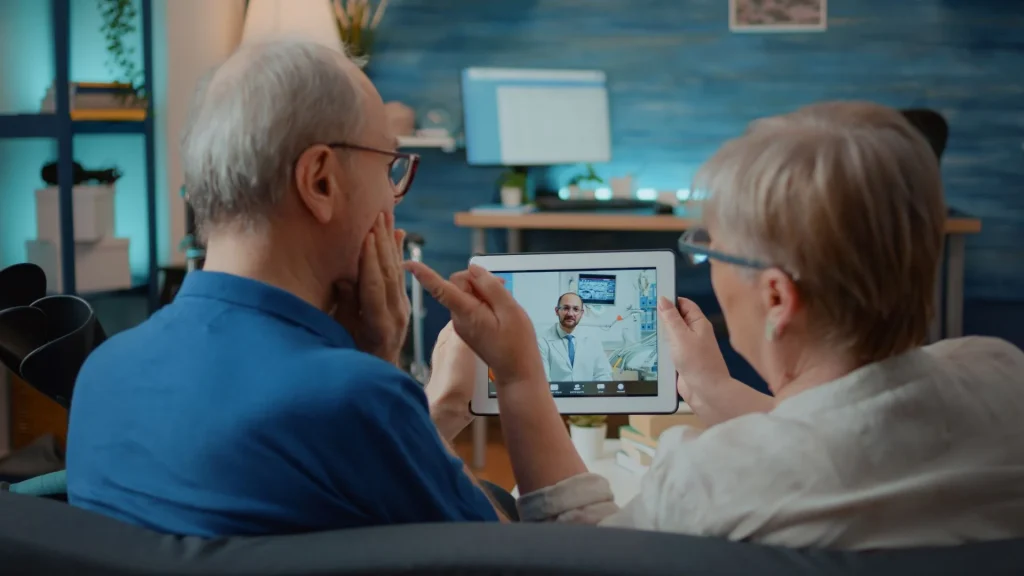
For elderly patients — particularly those 65+ with mobility limitations — and rural patients facing geographic barriers to care, remote patient monitoring is not merely convenient; it is transformative. The AMA notes that rural patients enrolled in RPM programs have equivalent or better health outcomes compared to urban counterparts receiving in-person care. RPM effectively functions as a virtual clinic in every patient’s home, eliminating the transportation, distance, and access barriers that have historically created health disparities.
Challenges & Limitations of Remote Patient Monitoring
Despite its clinical and financial promise, remote patient monitoring does face real challenges that healthcare organizations must plan for strategically.
Data Privacy, HIPAA Compliance & Security Risks
Remote patient monitoring systems collect, transmit, and store sensitive protected health information (PHI) — making HIPAA compliance and cybersecurity non-negotiable. Providers must ensure that all remote patient monitoring platforms, devices, and data transmission channels are HIPAA-compliant, encrypted end-to-end, and protected against data breaches. Business Associate Agreements (BAAs) must be in place with all RPM vendors. The HHS Office for Civil Rights has issued specific guidance on telehealth and RPM data security requirements.
Technology Adoption Barriers Among Older Patients
While many elderly patients adapt quickly to RPM devices, technology literacy and digital access remain barriers for some segments of the older population. Providers should select remote patient monitoring devices that are cellular-enabled (no Wi-Fi required), have large displays, and require minimal app interaction. Robust onboarding support — including in-home device setup, dedicated RPM nurse outreach, and multilingual support — is essential for successful adoption in this population.
Device Interoperability & EHR Integration Hurdles
One of the most persistent challenges in remote patient monitoring is seamless EHR integration. Many RPM platforms require custom API development to connect with EHR systems, and interoperability standards (HL7 FHIR, USCDI) are still being universally adopted. Poor EHR integration creates documentation burdens for clinical staff and can result in data silos that undermine the value of RPM. Organizations should prioritize remote patient monitoring EHR integration as a core platform selection criterion.
Cost of RPM Devices, Software & Program Onboarding
Starting an RPM program involves upfront and ongoing costs: device procurement and replacement, remote patient monitoring platform fees (typically $20-$80 per patient per month), staff time for monitoring and clinical review, and patient onboarding. However, CMS reimbursement under the RPM CPT codes — when properly billed — can fully offset or significantly defray these costs, especially for high-volume programs. Conducting a break-even analysis before launch is critical for financial sustainability.
Remote Patient Monitoring Reimbursement, Billing & Insurance
Remote patient monitoring reimbursement is one of the most important — and most frequently misunderstood — aspects of running an RPM program. CMS has provided clear guidelines, and commercial payers are increasingly following suit.
CMS Remote Patient Monitoring Guidelines & the RPM Fact Sheet
CMS formally established the RPM reimbursement framework through the 2019 Physician Fee Schedule Final Rule, significantly expanded it in 2020, and continues to refine reimbursement rates annually. The CMS RPM Fact Sheet clarifies that RPM services can be provided by physicians, non-physician practitioners (NPPs), and clinical staff under general supervision for established patients with acute or chronic conditions. Consent, a care plan, and physician’s order are required before enrollment.
Remote Patient Monitoring CPT Codes – A Quick Reference Guide
| CPT Code | Description |
| 99453 | RPM setup & patient education (one-time) |
| 99454 | Device supply with daily recordings, 30-day period |
| 99457 | Remote monitoring treatment mgmt – first 20 min/month |
| 99458 | Additional 20 min of remote monitoring mgmt (per month) |
| 99091 | Collection/interpretation of digitally stored data, 30 min |
Does Insurance Cover Remote Patient Monitoring?
Medicare Part B covers RPM services under the CPT codes above for beneficiaries with acute or chronic conditions. As of 2024, over 40 state Medicaid programs also cover RPM services. Commercial payers — including United Healthcare, Aetna, Cigna, and BCBS — have increasingly adopted RPM coverage, though coverage specifics and reimbursement rates vary by plan and state. Providers should verify coverage and obtain prior authorizations where required before enrolling patients.
RPM Billing Guidelines – What Providers Need to Know
Successful remote patient monitoring billing requires meticulous documentation. Key billing requirements include: written patient consent for RPM enrollment, a physician order, documentation of device supply and usage (minimum 16 days per 30-day period for CPT 99454), and accurate time logs for clinical monitoring (CPT 99457/99458). The CMS RPM billing guidelines specify that only interactive communication (phone, telehealth) counts toward the 20-minute threshold — passive data review alone is insufficient.
- Patient must be an established patient of the billing provider
- Consent must be obtained and documented before or at the time of enrollment
- The device must be FDA-approved and prescribed by the billing provider
- 16+ days of data per 30-day period required for device supply billing (CPT 99454)
- Interactive communication required for CPT 99457/99458 time thresholds
Platform Fee Per Patient Per Month – Understanding RPM Program Costs
Most remote patient monitoring companies charge a platform fee per patient per month (PPPM) ranging from $20 to $80, depending on features, device supply, monitoring support, and service model. Some RPM vendors offer fully managed services — including device procurement, patient onboarding, RPM nurses, and billing support — at higher PPPM rates ($50-$80) but with turnkey convenience. Others offer software-only platforms ($20-$35 PPPM) that require providers to supply their own clinical monitoring staff.
Top Remote Patient Monitoring Companies & Vendors to Know
The remote patient monitoring market has grown dramatically, with hundreds of vendors now offering RPM solutions. Choosing the right remote patient monitoring company or platform is a critical decision that will shape your program’s clinical outcomes, financial performance, and scalability.
- What to Look for in an RPM Company or Platform
- FDA-cleared devices included or supported
- HIPAA-compliant, SOC 2-certified data infrastructure
- Seamless EHR integration (Epic, Cerner, Athenahealth, etc.)
- Clinical monitoring support or managed services option
- Proven reimbursement and billing support
- Scalable platform capable of supporting large patient populations
- AI-driven alerting and predictive analytics capabilities
- Strong patient onboarding and engagement tools
Notable RPM Companies – Cadence, AlayaCare, Optimize Health & More
Cadence remote patient monitoring is one of the most rapidly growing RPM companies, offering a tech-enabled managed service that pairs AI-driven monitoring software with dedicated clinical teams — removing the burden of clinical monitoring from provider practices. Cadence focuses on hypertension and diabetes, with published outcomes showing significant BP reduction at scale.
AlayaCare remote patient monitoring offers a home health-focused platform that integrates RPM with broader home care management, EVV, and scheduling — making it particularly valuable for home health agencies expanding into RPM. Optimize Health remote patient monitoring is a Seattle-based RPM platform known for its strong EHR integration capabilities and its focus on helping primary care and specialty practices build in-house RPM programs with comprehensive billing support.
Other notable remote patient monitoring vendors include Biofourmis (predictive analytics, cardiac), Current Health (hospital-at-home programs), AMC Health (Medicaid-focused RPM), Vivify Health (enterprise health systems), and TytoCare (AI-powered primary care RPM). Companies developing patient monitoring systems for hospitals and remote care also include Philips, Masimo, and GE HealthCare, which bridge clinical-grade hospital monitoring and home-based RPM.
AI-Driven & Automated Remote Patient Monitoring Platforms Rising Fast
The most exciting development in the RPM landscape is the emergence of AI-driven remote patient monitoring and automated remote patient monitoring platforms. These systems go beyond simple alert thresholds — using machine learning models trained on millions of patient data points to predict adverse events (such as heart failure decompensation or COPD exacerbation) days before they manifest clinically. AI in remote patient monitoring is also enabling personalized alert thresholds, automated patient outreach, and intelligent care prioritization for clinical teams.
Remote patient monitoring virtual assistants and AI avatars are an emerging frontier — enabling automated daily check-ins, medication reminders, and symptom queries through conversational AI interfaces. These AI avatars for RPM assistance can dramatically reduce the clinical staff burden while maintaining high patient engagement, particularly for elderly and tech-hesitant populations who respond well to voice-based interaction.
- Questions to Ask Before Choosing an RPM Solution or Vendor
- What FDA-cleared devices does the platform support or supply?
- How does your platform integrate with our EHR system?
- Do you provide managed clinical monitoring services, or is monitoring in-house?
- What is your platform fee per patient per month, and what does it include?
- How do you support RPM billing, coding, and reimbursement optimization?
- What clinical outcomes data can you share from existing programs?
- How do you handle patient onboarding, device setup, and ongoing engagement?
- What security certifications do you hold (SOC 2, HIPAA BAA, etc.)?
The Future of Remote Patient Monitoring – Where RPM Is Headed
Remote patient monitoring is not a static technology — it is a rapidly evolving discipline sitting at the intersection of AI, IoT, telehealth, and value-based care. Here is where the field is headed over the next three to five years.
AI & Machine Learning in Remote Patient Monitoring
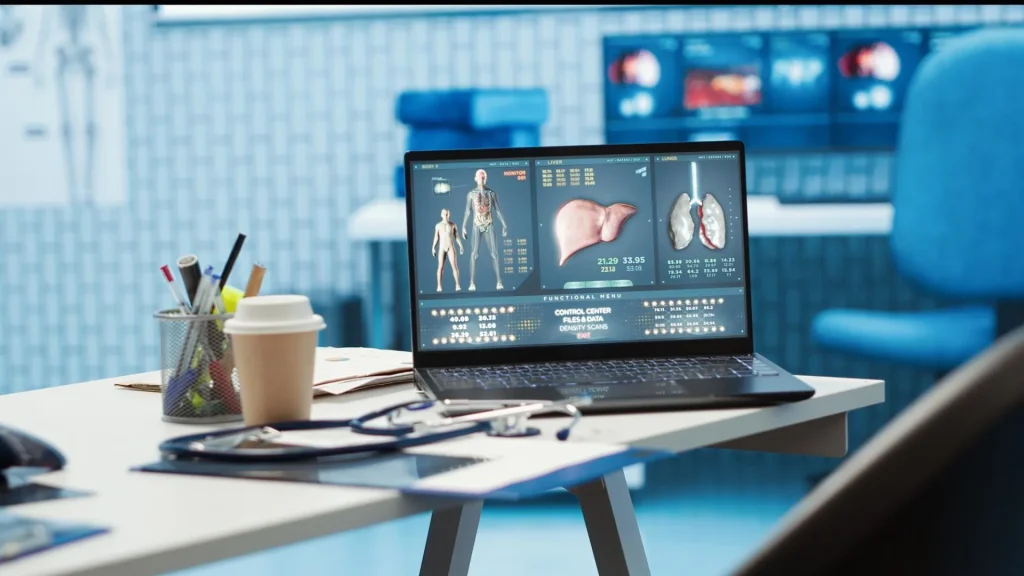
Artificial intelligence is fundamentally reshaping what RPM can accomplish. Rather than simply alerting providers when a reading exceeds a fixed threshold, AI in remote patient monitoring uses predictive modeling to identify patients at elevated risk of clinical deterioration days before symptoms appear. Natural language processing (NLP) is enabling automated documentation of RPM interactions, reducing clinician administrative burden. Computer vision algorithms are beginning to analyze patient-submitted wound photographs for healing assessment — extending RPM to visual clinical data.
AI Avatars & Virtual Assistants as RPM Companions
Among the most transformative developments in AI remote patient monitoring is the emergence of AI-powered virtual assistants and digital avatars that serve as daily patient companions. These systems conduct structured clinical check-ins, ask symptom assessment questions, deliver health education, provide medication reminders, and escalate clinical concerns to human providers — all without requiring any clinical staff time. For patients managing multiple chronic conditions, AI avatars offer a level of continuous engagement that would be clinically and economically impossible with human-only workflows.
Remote Patient Monitoring EHR Integration – The Interoperability Push
The next generation of remote patient monitoring EHR integration will be defined by FHIR (Fast Healthcare Interoperability Resources) APIs and the USCDI (United States Core Data for Interoperability) standards. As EHR vendors prioritize open APIs and as CMS mandates interoperability requirements for Medicare-participating providers, RPM data will flow seamlessly into the patient’s longitudinal health record — enabling population health analytics, risk stratification, and quality reporting at scale.
Telehealth & RPM Convergence – A Unified Care Model
The lines between telehealth and remote patient monitoring are converging rapidly. Future care models will integrate continuous RPM data streams with on-demand telehealth visits — so that when a patient’s RPM data triggers an alert, the clinician can instantly initiate a video visit with access to real-time vital sign data on-screen. This convergence is already being called ‘virtual-first care’ or ‘digital-first primary care,’ and major health systems are building entire care delivery models around this integrated approach.
Remote Patient Monitoring Market Growth & Emerging Adoption Trends
The remote patient monitoring market is experiencing explosive growth. According to Grand View Research, the global RPM market was valued at $53.6 billion in 2023 and is projected to grow at a CAGR of 18.4% through 2030 — reaching an estimated $175+ billion. Key growth drivers include the aging population (by 2030, all baby boomers will be 65+), rising chronic disease prevalence, CMS reimbursement expansion, and the post-pandemic normalization of virtual care.
Geographically, remote patient monitoring in California (particularly remote patient monitoring in Los Angeles and remote patient monitoring in San Francisco) and other tech-forward states are experiencing the fastest provider adoption rates, driven by large health system investments and a supportive regulatory environment.
RPM Statistics That Reveal the Scale of This Transformation
| • 88 million Americans expected to use RPM devices by 2030 (Insider Intelligence) • RPM reduces 30-day hospital readmissions by up to 38% (JAMA Internal Medicine) • Global RPM market projected at $175B+ by 2030 at 18.4% CAGR (Grand View Research) • 72% of physicians report RPM improves patient outcomes (AMA Survey, 2024)• CMS has expanded RPM reimbursement in 5 consecutive Physician Fee Schedules• 40+ state Medicaid programs now cover RPM services• Patients with RPM are 3x more likely to report being actively engaged in their care• $3,500 average annual cost savings per RPM-enrolled chronic disease patient |
Ready to Revolutionize Your Patient Care?
Don’t let the future of medicine pass your practice by. Whether you are looking to slash hospital readmissions by 38% or generate an average of $3,500 in annual savings per patient, the infrastructure for success is at your fingertips.
At MediRemote we bridge the gap between clinical data and meaningful interventions. Our HIPAA-compliant, AI-driven platform is designed to handle the heavy lifting—from FDA-approved device logistics to seamless EHR integration with systems like Epic and Athenahealth.
FAQs
Is Remote Patient Monitoring the same as telehealth?
No — remote patient monitoring and telehealth are related but distinct. Telehealth refers to synchronous virtual visits (video/phone) between patients and providers. RPM is the continuous collection of physiologic data from patients between visits using medical-grade devices. However, telehealth and RPM are increasingly converging into unified virtual care platforms that combine both capabilities.
Which chronic conditions can be managed with RPM?
RPM is clinically proven for hypertension, Type 1 and Type 2 diabetes, COPD, heart failure, coronary artery disease, atrial fibrillation, obesity, post-surgical recovery, chronic kidney disease, and asthma. Essentially, any condition requiring regular vital sign monitoring or physiologic data tracking between office visits is a candidate for remote patient monitoring for chronic disease management.
Does insurance or Medicare cover remote patient monitoring?
Yes. Medicare Part B covers RPM under CPT codes 99453, 99454, 99457, and 99458 for patients with acute or chronic conditions. Over 40 state Medicaid programs also cover RPM. Most major commercial insurers — including UnitedHealthcare, Aetna, and Cigna — have adopted RPM coverage policies, though specifics vary by plan. Providers should verify coverage before enrolling patients in an RPM program.
How is patient data kept private and secure under HIPAA?
All compliant RPM platforms encrypt data in transit and at rest, operate on HIPAA-compliant cloud infrastructure, and execute Business Associate Agreements (BAAs) with provider organizations. Data access is role-based and audited. The HHS Office for Civil Rights has issued specific guidance on RPM and telehealth HIPAA compliance requirements that providers must follow.
What are the most common RPM devices used at home?
The most commonly deployed FDA-approved remote patient monitoring devices include: Bluetooth/cellular blood pressure monitors (for hypertension and cardiac monitoring), continuous glucose monitors such as Dexcom G7 and Abbott FreeStyle Libre (for diabetes), pulse oximeters (for COPD and heart failure), connected ECG devices like Kardia Mobile (for arrhythmia), smart weight scales (for heart failure and weight loss programs), and wearable fitness trackers integrated with clinical platforms.
How does RPM billing work for providers?
RPM billing requires documenting patient consent, a physician order, device usage data, and time spent on clinical monitoring. CPT 99454 requires 16+ days of daily data per 30-day period. CPT 99457 requires 20+ minutes of interactive communication per month. Documentation must be thorough and contemporaneous. Many providers partner with RPM companies that offer built-in billing support to ensure compliant and optimized reimbursement.
What is a remote patient monitoring specialist or RPM nurse?
A remote patient monitoring specialist — often an RN, LPN, or MA — is a clinician dedicated to reviewing incoming RPM data, managing alert queues, conducting patient check-in calls, documenting interventions, and coordinating with the supervising physician. Remote patient monitoring nurse jobs and RPM RN jobs are a rapidly growing segment of telehealth nursing, and many health systems are actively recruiting for these roles as RPM programs scale.
How do I choose the right RPM platform or solution?
Evaluate RPM platforms on: FDA-cleared device support, EHR integration capability, HIPAA/SOC 2 compliance, clinical monitoring service options, billing support, patient onboarding tools, AI-driven alerting capabilities, and demonstrated clinical outcomes. Request references from comparable organizations and conduct a structured pilot before full deployment. The right remote patient monitoring solution should align with your clinical workflows, patient population, and financial goals.
What CPT codes apply to remote patient monitoring services?
The primary remote patient monitoring CPT codes are: 99453 (initial setup and patient education), 99454 (device supply and daily monitoring, per 30-day period), 99457 (first 20 minutes of clinical monitoring per month), and 99458 (additional 20 minutes of monitoring). CPT 99091 (collection and interpretation of digitally stored data, 30 minutes) is also used for some RPM scenarios. Reimbursement rates are updated annually in the CMS Physician Fee Schedule.
What does the future of RPM look like with AI?
AI will transform RPM from reactive alert management to predictive, proactive intervention. Machine learning models will predict adverse events days in advance; AI avatars will conduct daily patient check-ins; natural language processing will automate documentation; and computer vision will expand RPM to visual assessments. AI-driven remote patient monitoring platforms will enable personalized care at population scale — making high-quality chronic disease management accessible to every patient, regardless of geography or provider availability.
| Ready to Launch or Upgrade Your RPM Program?Whether you are a health system, physician group, home health agency, or digital health company, the right RPM strategy can transform patient outcomes and financial performance. Connect with an RPM implementation specialist to assess your patient population, select the right platform, and build a reimbursement-optimized program that delivers measurable results from day one. |