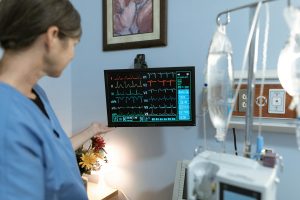
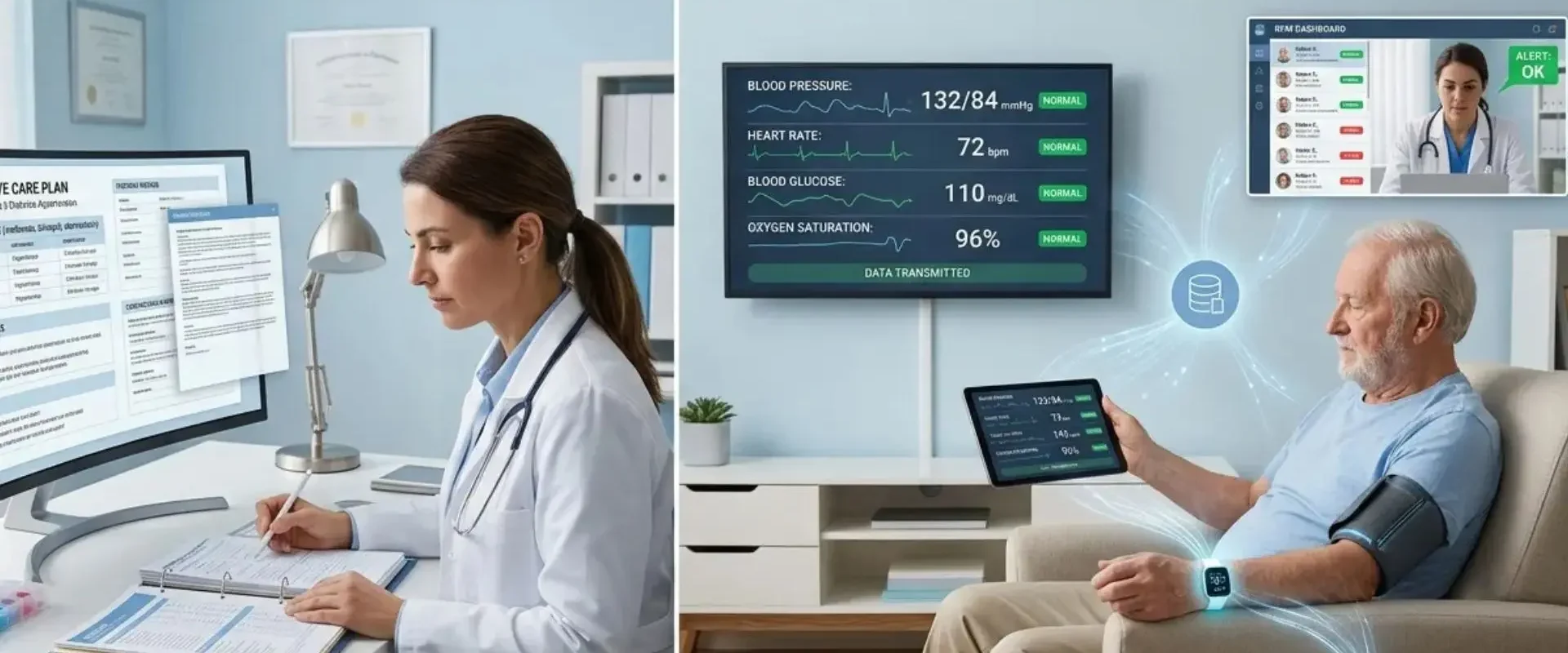
If you’re a healthcare provider managing Medicare patients with chronic conditions, you’ve likely heard of both Chronic Care Management (CCM) and Remote Patient Monitoring (RPM). But a question that comes up constantly in practice is: Can you bill both for the same patient in the same month?
The answer is yes — and doing so correctly can meaningfully improve patient outcomes while generating significant additional revenue for your practice. But there are rules, documentation requirements, and billing nuances that every provider must understand before submitting a combined claim.
This complete guide walks you through everything — from CMS billing rules and CPT codes to real-world patient scenarios, technology platforms, and the future of integrated chronic care.
Can You Bill Both CCM and RPM for the Same Patient?
► YES. CMS explicitly allows providers to bill both CCM and RPM in the same calendar month for the same patient. Each program has independent time, documentation, and consent requirements. Neither service’s time can be counted toward the other. When combined, CCM + RPM can generate $130–$250+ in monthly Medicare reimbursement per patient while significantly improving chronic disease outcomes.
Key CMS rules for billing both:
- Separate consent must be obtained for each program (CCM consent and RPM consent)
- Separate documentation is required — CCM time and RPM time cannot overlap
- Separate thresholds must be met: CCM requires 20+ min/month; RPM requires 20+ min of interactive communication/month plus device data.
- Single provider rule: Only one provider can bill CCM per patient per month; RPM can be billed by the same or coordinating provider

What Is Chronic Care Management (CCM)?
Chronic Care Management (CCM) is a Medicare Part B program that reimburses providers for non-face-to-face care coordination services for patients with two or more chronic conditions. The chronic care management program was established by CMS to address the growing burden of chronic disease in the Medicare population by creating a structured framework for ongoing care between office visits.
Under Medicare chronic care management guidelines, providers develop comprehensive care plans, monitor patient health, coordinate between specialists, and communicate with patients regularly — all outside of face-to-face encounters. This is the core of what is chronic care management: proactive, continuous, coordinated support.
CCM Medicare Eligibility Requirements (2026)
- Two or more chronic conditions expected to last at least 12 months or until death
- Conditions create a significant risk of death, acute exacerbation, or functional decline
- Enrolled in Medicare Part B
- Informed consent obtained and documented before services begin
- Only one provider may bill CCM per patient per calendar month
What Services Count as CCM?
- Creation and maintenance of a comprehensive, electronic care plan
- Medication management and reconciliation
- Coordination of care with specialists, hospitals, and home health agencies
- Patient and caregiver communication via phone or secure messaging
- Referral management and follow-up tracking
- 24/7 patient access to a clinical team member
► STAT: Medicare CCM participants experience up to 20% fewer hospitalizations and 11% fewer ER visits compared to non-participants. (JAMA Internal Medicine; Annals of Internal Medicine, 2023)
What Is Remote Patient Monitoring (RPM)?
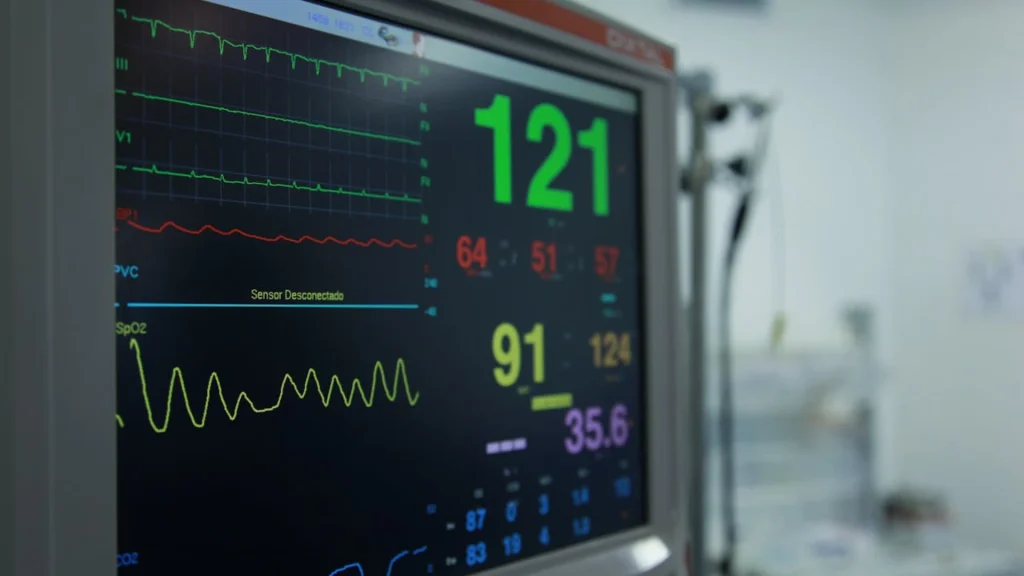
Remote Patient Monitoring (RPM) is a Medicare-reimbursed telehealth service that uses connected digital devices to collect physiological data from patients in their home or non-clinical setting and transmit it to their healthcare provider for review and clinical decision-making.
Unlike CCM, which focuses on care coordination and communication, remote patient monitoring generates objective, real-time biometric data — such as daily blood pressure readings, weight trends, blood glucose levels, or oxygen saturation — that enables providers to monitor patients continuously and intervene early when concerning trends emerge.
How Does Remote Patient Monitoring Work?
► RPM Data Flow: Patient → FDA-Approved Device → Cellular/Bluetooth Transmission → RPM Platform Dashboard → Clinical Alert / Provider Review → Care Intervention → EHR Documentation → Monthly Billing
Common RPM Devices and Conditions
| Device Type | Condition Monitored | Examples of FDA-Cleared Devices |
| Blood pressure cuff | Hypertension, heart failure | Withings, Omron, iHealth |
| Blood glucose monitor | Diabetes (Type 1 & 2) | Dexcom G7, Abbott FreeStyle Libre, Contour Next |
| Pulse oximeter | COPD, asthma, respiratory disease | Masimo, Nonin, iHealth Air |
| Smart scale | Heart failure, obesity, post-surgical | Withings Body+, iHealth HS6 |
| ECG / cardiac monitor | Atrial fibrillation, cardiac rehab | AliveCor KardiaMobile, Biotel Patch |
| Spirometer | COPD, asthma | NuvoAir, Vitalograph |
| Activity tracker | Post-surgical rehab, fall prevention | Fitbit (clinical), Apple Watch (clinical grade) |
| Continuous glucose monitor | Diabetes | Dexcom G7, Abbott FreeStyle Libre 3 |
CMS Requirements for RPM (2026)
- FDA-cleared device: Only data from FDA-cleared medical devices counts toward RPM billing
- Consent: Patient must provide separate informed consent for RPM services
- Daily data: Device must be capable of collecting and transmitting data on at least 16 days per month (CPT 99454)
- Interactive communication: At least 20 minutes of interactive communication per month required for 99457
- Physician order: RPM must be ordered by a physician or qualified healthcare professional
CCM vs RPM – Key Differences at a Glance
Understanding the fundamental differences between these two programs is essential before combining them in billing.
| Feature | CCM (Chronic Care Management) | RPM (Remote Patient Monitoring) |
| Primary purpose | Care coordination & planning | Physiological data collection & monitoring |
| Data source | Clinical communication, patient reports | FDA-cleared connected devices (automated) |
| Patient interaction | Phone calls, secure messaging | Device transmissions + clinical check-ins |
| Care plan required? | Yes — mandatory CMS requirement | No specific care plan required |
| Consent required? | Yes — documented consent | Yes — separate documented consent |
| Minimum time/month | 20 minutes (99490) | 20 min interactive comms (99457) |
| Who performs it? | Clinical staff supervised by provider | Clinical staff supervised by the provider |
| Billing frequency | Monthly | Monthly |
| Primary CPT codes | 99490, 99439, 99487, 99489 | 99453, 99454, 99457, 99458 |
| EHR documentation | Required in certified EHR | Required; device data stored in EHR |
| Conditions treated | 2+ chronic conditions | Specific condition with physiological risk |
| Best combined with? | RPM, Telehealth, BHI | CCM, Telehealth, Principal Care Mgmt |
| Revenue (per patient/month) | ~$62–$140+ | ~$110–$200+ |
Can You Bill Both CCM and RPM Together? CMS Rules Explained
Yes — CMS explicitly permits billing both CCM and RPM for the same patient in the same calendar month. This was confirmed in CMS guidance and reinforced in the 2022 and 2026 Physician Fee Schedule final rules. The two programs are complementary, not mutually exclusive.
The Non-Overlap Rule: The Most Critical Compliance Point
The single most important compliance rule when billing both programs is: time spent on RPM activities cannot be counted toward CCM time, and vice versa. Each program’s billable time must be documented separately, with clear clinical notes distinguishing which activities belong to which program.
Summary of CMS Rules for Combined CCM + RPM Billing
| Rule | CCM | RPM | Combined CCM + RPM |
| Separate consent required? | Yes | Yes | Yes — both consents needed |
| Time overlap allowed? | N/A | N/A | No — time must be documented separately |
| Separate documentation? | Yes | Yes | Yes — distinct clinical notes per service |
| Can the same provider bill both? | Yes (CCM only) | Yes (RPM) | Yes — same provider can bill both |
| Same month billing? | Yes | Yes | Yes — CMS-approved |
| 24/7 access required? | Yes (CCM) | No | Yes (for CCM component) |
| EHR requirement? | Certified EHR | Certified EHR | Both required |
► KEY COMPLIANCE NOTE: If you bill 99490 (20 min CCM) and 99457 (20 min RPM) in the same month, you must document at least 40 total minutes of non-face-to-face care — 20 minutes clearly attributed to CCM activities and 20 minutes clearly attributed to RPM activities. Blended or ambiguous documentation is a CMS audit risk.
CPT Codes for CCM + RPM (2026 Medicare Fee Schedule)
Understanding chronic care management CPT codes and remote patient monitoring CPT codes is essential for maximizing reimbursement while staying compliant.
CCM CPT Codes
| CPT Code | Description | Who Performs | Min. Time |
| 99490 | Standard CCM — first 20 min/month | Clinical staff | 20 min |
| 99439 | Additional CCM time (per 20 min, max 2 units) | Clinical staff | Each 20 min |
| 99487 | Complex CCM — physician/APP required | Physician or APP | 60 min |
| 99489 | Additional complex CCM time (per 30 min) | Physician or APP | Each 30 min |
► NOTE: CPT 99490 and 99487 cannot be billed in the same month for the same patient. Use 99487 for complex patients requiring physician-level oversight and 60+ minutes of coordination.
RPM CPT Codes
| CPT Code | Description | Requirement |
| 99453 | Initial device setup & patient education | One-time per device episode |
| 99454 | Device supply & daily data transmission | 16+ days of data/month |
| 99457 | First 20 min of RPM interactive communication/month | 20 min minimum |
| 99458 | Additional 20 min of RPM communication (max 1 add’l unit) | Each additional 20 min |
Step-by-Step Billing Workflow for CCM + RPM
Follow this workflow to ensure compliant, complete billing every month for combined CCM + RPM programs.
► WORKFLOW: Patient Identification → Dual Consent → Care Plan (CCM) + Device Setup (RPM) → Monthly Monitoring (both) → Separate Time Documentation → Threshold Verification → Claim Submission → Reimbursement
Step 1: Patient Identification and Eligibility Screening
Identify patients who qualify for both programs. For CCM, they need 2+ chronic conditions. For RPM, they need a specific condition warranting physiological monitoring (e.g., uncontrolled hypertension, diabetes with glucose management challenges, CHF with fluid monitoring needs).
Step 2: Obtain Dual Consent
Collect and document separate informed consent for each program. CMS requires that patients understand: (1) what services they will receive, (2) that Medicare will be billed, and (3) that they may only have one CCM provider at a time. Consent for RPM is separate and must be separately documented.
Step 3: Create the CCM Care Plan and Set Up RPM Device
Develop the comprehensive CCM care plan in your certified EHR — this must include diagnoses, goals, medications, and care team contacts. Simultaneously, order and deliver the appropriate remote patient monitoring devices to the patient and provide education on device use (billable under CPT 99453).
Step 4: Monthly Service Delivery with Separate Time Tracking
This is the most important compliance step. Use your CCM/RPM software to track time separately:
- CCM time: Phone calls for care coordination, medication management, referral coordination, cand are plan updates
- RPM time: Review of device data, phone contact to discuss readings, clinical decisions based on device data, and documentation of trends
- Every interaction must have a date, duration, staff name, and clinical summary
Step 5: Verify Monthly Thresholds Before Billing
| Service | Minimum Requirement | Check Before Billing |
| 99490 (CCM) | 20 min CCM time documented | Is CCM time ≥ 20 min and separate from RPM? |
| 99454 (RPM device) | 16+ days of data transmitted | Did device transmit on 16+ days this month? |
| 99457 (RPM communication) | 20 min RPM interactive communication | Is RPM time ≥ 20 min and separate from CCM? |
| 99439 (CCM add-on) | Each additional 20 min CCM | Is the total CCM time ≥ 40 min for a second unit? |
| 99458 (RPM add-on) | Each additional 20 min RPM | Is total RPM time ≥ 40 min for a second unit? |
Step 6: Submit Claims
Submit all qualifying CPT codes on the same claim or separately, depending on your billing workflow. Ensure your EHR or practice management system supports combined CCM + RPM billing. Some platforms automate this step entirely.
➤ MediRemote automates CCM + RPM time tracking, threshold alerts, and billing reports. Learn more at mediremote.com
Example Scenario: Billing CCM + RPM for One Patient
Patient: James, 69, Medicare Part B beneficiary
Diagnoses: Type 2 Diabetes + Hypertension + Stage 3 Chronic Kidney Disease
Enrolled in: CCM + RPM (blood pressure cuff + smart scale)
What Happened This Month
| Date | Activity | Service | Time | Staff |
| June 2 | Reviewed 7 days of BP and weight data; noted BP trending up; called patient to discuss sodium intake | RPM | 22 min | Care Coordinator |
| June 9 | Medication reconciliation; coordinated refill with pharmacy; updated care plan | CCM | 18 min | RN |
| June 15 | Reviewed RPM data; BP normalized; documented trend; no action needed | RPM | 12 min | Care Coordinator |
Monthly Time Totals
| Service | Total Time This Month | Threshold Met? | CPT Codes Billable |
| CCM | 33 minutes | Yes (>20 min) | 99490 + 99439 (1 unit) |
| RPM (communication) | 44 minutes | Yes (>20 min) | 99457 + 99458 (1 unit) |
| RPM (device data) | 19 days transmitted | Yes (>16 days) | 99454 |
Common Billing Mistakes to Avoid in CCM + RPM
These are the most frequent errors that lead to claim denials, audits, or compliance violations when billing combined CCM + RPM programs.
| Mistake | Why It’s a Problem | How to Avoid It |
| Time overlap: using the same minutes for both | Direct CMS violation; audit trigger | Use separate time-tracking logs per service in your software |
| Missing or unsigned consent | Claim will be denied; compliance risk | Obtain and document dual consent before first billing month |
| RPM device transmits for <16 days | 99454 cannot be billed | Monitor transmission compliance; alert patients if data gaps appear |
| Billing 99490 and 99487 in the same month | Not allowed by CMS — mutually exclusive | Choose the appropriate code based on complexity and time |
| Vague clinical documentation | Audit risk; insufficient for medical necessity | Document date, duration, staff name, and clinical detail for each activity |
| Two providers billing CCM for the same patient | Only one CCM provider allowed per month | Confirm CCM enrollment status before accepting new CCM patients |
| Counting face-to-face visit time as CCM | CCM is exclusively non-face-to-face | Clearly distinguish in documentation; office visit time does not count |
| Not updating the care plan | CMS requires an active, current care plan | Review and update the care plan at a minimum of quarterly or with status changes |
| Not having 24/7 access for CCM patients | CMS requirement for CCM eligibility | Ensure after-hours coverage is in place and documented |
| Using non-FDA-cleared devices for RPM | RPM requires FDA-cleared devices only | Verify FDA clearance status of all devices used in your RPM program |
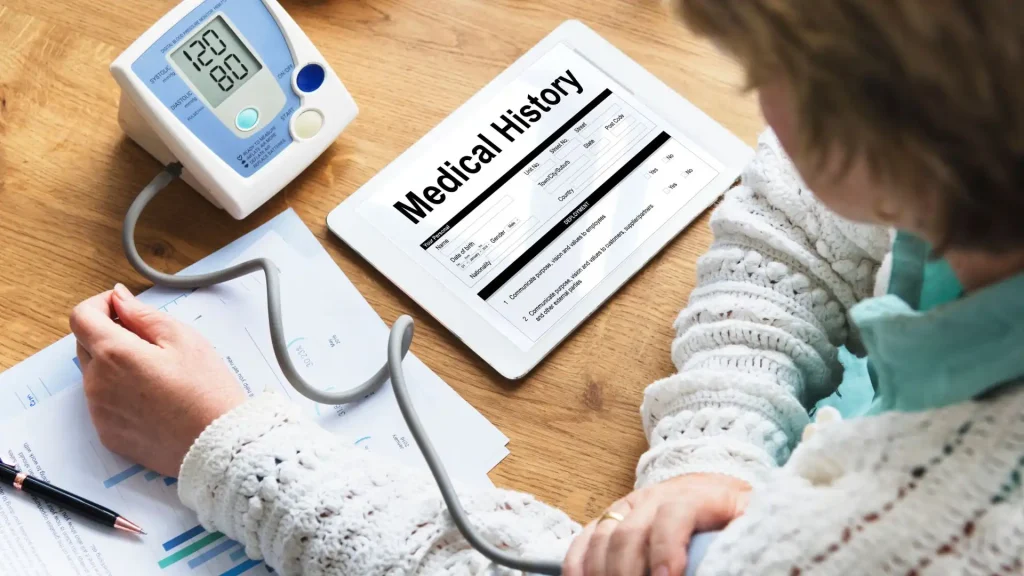
Benefits of Combining CCM + RPM for Chronic Disease Patients
When delivered together, CCM and RPM create a powerful care model that addresses both the coordination and monitoring dimensions of chronic disease management.
Clinical Benefits
- Earlier detection of deterioration: RPM data flags warning signs (rising BP, weight gain, glucose spikes) before they become emergencies
- Better medication adherence: CCM check-ins + RPM data feedback loop reinforces adherence behaviors
- Reduced hospitalizations: Studies show that combined CCM + RPM patients have significantly fewer unplanned admissions
- Improved chronic disease control: Patients with diabetes, hypertension, and CHF show measurably better biomarker control
- More personalized care: Objective data from RPM informs more targeted CCM care plan adjustments
► STAT: A 2025 study in the Journal of the American Medical Informatics Association found that patients enrolled in combined CCM + RPM programs had 34% fewer preventable hospitalizations compared to patients in CCM-only programs. (JAMIA, 2025)
Financial Benefits for Providers
- Significantly higher monthly revenue: $130–$271+ per patient per month vs. $62–$70 for CCM alone
- Predictable recurring revenue: Monthly billing creates stable, forecastable cash flow independent of patient visit volume
- Value-based care alignment: Reduces total cost of care, improving performance under ACO, MIPS, and Medicare Advantage contracts
- High ROI on technology investment: CCM + RPM software platforms typically pay for themselves within the first 30–60 days of billing
Patient Benefits
- Peace of mind from knowing their health is being actively monitored
- Fewer unplanned ER visits and hospitalizations
- A single point of contact for care coordination across multiple providers
- Personalized, data-driven adjustments to their care plan
- Greater engagement and ownership of their own health management
Technology & Software Behind CCM + RPM
The effectiveness and scalability of any chronic care management program or remote patient monitoring program depends heavily on the technology platform behind it. Here’s what modern CCM + RPM platforms deliver in 2026.
What to Look for in a CCM + RPM Software Platform
| Feature Category | CCM Software Requirements | RPM Platform Requirements |
| EHR Integration | Two-way sync with Epic, Athena, eCW, Cerner | Device data auto-populates EHR flowsheets |
| Time Tracking | Per-activity timer with service type tagging | Session logs tied to RPM device review time |
| Patient Communication | Secure messaging, portal, SMS reminders | Automated alerts for out-of-range readings |
| Care Plan Management | CMS-compliant templates with version history | N/A (CCM function) |
| Device Management | N/A (RPM function) | Device provisioning, pairing, and compliance tracking |
| Billing Automation | CPT threshold alerts, billing report generation | 99454 transmission day counter, 99457 threshold tracking |
| AI / Analytics | Risk stratification, high-risk patient flags | Predictive alerts, trend analysis, anomaly detection |
| Compliance Reporting | Consent tracking, audit-ready documentation | FDA device verification, transmission logs |
| Patient App | Medication reminders, appointment tracking | Device data visualization, symptom logging |
EHR Integration: The Foundation of Scalable CCM + RPM
Seamless integration with your EHR system is non-negotiable for a scalable CCM + RPM program. The best chronic care management software and remote patient monitoring software platforms offer certified integrations with Epic, Oracle Cerner, Athenahealth, eClinicalWorks, and NextGen — ensuring that all CCM notes and RPM device data flow automatically into the patient record without manual entry.
AI-Driven Remote Patient Monitoring in 2026
AI remote patient monitoring is rapidly becoming the standard of care for high-risk patient populations. Modern AI-powered RPM platforms can:
- Predict deterioration 48–72 hours in advance using machine learning models trained on historical biometric data
- Automatically triage alerts by severity, routing urgent cases to physicians and routine trends to care coordinators
- Personalize alert thresholds based on individual patient baselines rather than population averages
- Generate natural language summaries of monthly RPM data for inclusion in clinical documentation
- Integrate with wearables and IoT device s,including smartwatches, continuous glucose monitors, and smart home sensors
► TREND: By 2026, an estimated 70% of top RPM platforms will now incorporate some form of AI-driven alert management or predictive analytics, up from 31% in 2022. (Rock Health Digital Health Report, 2025)
➤ See how MediRemote’s AI-powered CCM + RPM platform works — book a demo at mediremote.com
Patient-Centric Use Cases for CCM + RPM
Diabetes Management
Patients with Type 2 Diabetes are ideal candidates for combined chronic care management and remote patient monitoring. CCM provides medication management, dietary coordination, and endocrinologist communication. Remote patient monitoring for diabetes adds continuous or periodic glucose data from CGMs or smart glucometers, enabling real-time insulin and dietary adjustments.
Outcome data: Diabetic patients in combined CCM + RPM programs show average HbA1c reductions of 0.9–1.4 percentage points and 28% fewer diabetes-related ER visits. (ADA, 2025)
Hypertension Monitoring
Remote patient monitoring for hypertension is one of the most common and cost-effective RPM applications. Daily blood pressure readings transmitted via a smart cuff enable the CCM team to detect trends, adjust medications proactively, and prevent hypertensive crises before they require emergency care.
Studies consistently show that patients using RPM for hypertension achieve target blood pressure control 40% faster than patients relying on in-clinic measurements alone. (American Heart Association, 2024)
COPD and Respiratory Disease
Remote patient monitoring for COPD uses pulse oximeters and spirometers to continuously monitor oxygen saturation and lung function. Combined with CCM’s care coordination, early RPM alerts for SpO2 drops allow care teams to intervene with medication adjustments or additional breathing treatments — preventing COPD exacerbations that account for an average of $40,000 per hospitalization.
Congestive Heart Failure
Heart failure is one of the highest-cost and highest-readmission conditions in Medicare. Cardiac remote patient monitoring using daily smart scales and blood pressure cuffs provides the data infrastructure that CCM care coordinators need to catch early decompensation — detecting a 2–3 lb overnight weight gain (fluid retention signal) and intervening before readmission occurs.
► STAT: Combined CCM + RPM for CHF patients reduces 30-day readmission rates by up to 38% compared to standard care. (AHA Scientific Sessions, 2025)
Elderly and Rural Patients
For elderly Medicare patients — particularly those in rural or geographically isolated areas — CCM + RPM provides a critical safety net. Remote patient monitoring for home health eliminates the need for frequent clinic travel while ensuring continuous clinical oversight. CCM provides the human connection and care coordination layer that ensures elderly patients remain engaged, safe, and properly managed at home.
Weight Management and Metabolic Conditions
Remote patient monitoring for weight loss programs combine smart scale data (RPM) with behavioral coaching and care coordination (CCM) to provide continuous support for patients with obesity, metabolic syndrome, or post-bariatric surgery monitoring needs. Daily weight data creates accountability and enables early intervention when weight trends reverse.
Cardiac Rehabilitation
Post-cardiac event patients enrolled in cardiac remote patient monitoring programs benefit from continuous heart rate, ECG, and activity data during their recovery. CCM provides the care coordination layer — managing specialist communication, medication adjustments, and cardiac rehab scheduling — while RPM provides objective evidence of recovery progress and early detection of complications.
Home Health Integration
CCM and RPM integrate naturally with home health agencies. When patients are discharged from skilled nursing facilities, combining remote patient monitoring for home health with CCM’s coordination services creates a seamless transition care model that reduces the 30–90 day post-discharge readmission window.
Analytics, Market Stats & Insights
The data behind CCM and RPM adoption is compelling — both in terms of clinical outcomes and market opportunity.
Market Size and Adoption Trends
| Metric | 2024 Data | 2026 Projection | Source |
| RPM market size (global) | $5.8 billion | $8.3 billion | Grand View Research, 2025 |
| CCM market size (U.S.) | $8.1 billion | $11.2 billion | MarketsandMarkets, 2025 |
| Medicare patients eligible for CCM | ~35 million | ~40 million | CMS Data, 2025 |
| Practices currently offering CCM | ~18% | ~28% (projected) | MGMA Survey, 2025 |
| RPM adoption among PCPs | ~22% | ~35% (projected) | AMA Digital Health Study, 2025 |
| Average RPM patient engagement rate | 68% | 74% (projected) | KLAS Research, 2025 |
Clinical Outcome Studies
- 20% reduction in hospitalizations among Medicare CCM participants vs. non-participants. (JAMA Internal Medicine)
- 34% fewer preventable admissions for patients in combined CCM + RPM vs. CCM alone. (JAMIA, 2025)
- 40% faster blood pressure control with RPM vs. clinic-only measurement. (American Heart Association, 2024)
- 38% reduction in CHF 30-day readmissions with CCM + RPM vs. standard care. (AHA Scientific Sessions, 2025)
- $2,800 average annual cost savings per patient enrolled in CCM + RPM vs. usual care. (JAMA Network Open, 2024)
Reimbursement Trends
CMS has consistently increased support for CCM and RPM reimbursement in the 2022–2026 Physician Fee Schedule updates, signaling a long-term commitment to these programs as pillars of value-based care.
- RPM reimbursement expanded in 2022 to allow clinical staff (not just physicians) to deliver RPM services under general supervision
- CCM complex codes (99487/99489) saw rate increases in the 2025 fee schedule
- CMS 2026 guidance continues to support CCM and RPM as complementary billable services

The Future of CCM + RPM Integration: 2026 and Beyond
AI Avatars and Virtual Assistants in RPM
AI avatars rfor emote patient monitoring assistance represent one of the most transformative emerging applications in digital health. AI-powered virtual assistants are now being used to conduct routine patient check-ins, collect symptom reports, answer medication questions, and escalate concerns to clinical staff — all without human intervention. These assistants can conduct dozens of simultaneous patient interactions, making RPM programs scalable far beyond the limits of available clinical staff.
Leading platforms are deploying conversational AI that communicates in multiple languages, adapts to patient communication preferences, and learns individual patient patterns over time to identify subtle behavioral changes that may signal health deterioration.
Unified CCM + RPM + Telehealth Platforms
Telehealth and remote patient monitoring are converging with CCM into unified, all-in-one virtual care platforms. Rather than managing three separate programs with separate workflows, providers in 2026 increasingly access a single platform where RPM device data, CCM care plan notes, and telehealth visit records coexist in one clinical view.
This convergence reduces administrative burden, eliminates data silos, and enables more holistic clinical decision-making. Providers can see a patient’s BP trend alongside their care plan goals and schedule a telehealth visit — all from the same screen.
Predictive Analytics and Population Health Management
The next frontier is using CCM and RPM data at the population level — not just for individual patient monitoring, but for practice-wide risk stratification, proactive outreach, and value-based care performance management.
AI-powered population health tools integrated with CCM + RPM platforms will identify which patients are trending toward hospitalization 30–60 days in advance, enabling practices to intervene proactively and reduce total cost of care — a critical capability under Medicare Shared Savings Programs and Medicare Advantage contracts.
IoT, Wearables, and Next-Generation Devices
The remote patient monitoring devices of 2026 go far beyond the blood pressure cuff. Implantable cardiac monitors, continuous glucose monitors with 14-day wear, smartwatch-based ECG and SpO2 monitoring, smart inhalers with usage tracking, and AI-enabled stethoscopes are all entering the Medicare RPM reimbursement ecosystem.
As FDA clearances expand to cover more wearable and IoT device categories, the range of conditions monitorable through RPM will grow significantly — enabling CCM + RPM programs to extend into neurology, oncology, post-surgical recovery, and behavioral health.
EHR Interoperability and FHIR Integration
EHR integration and remote patient monitoring are reaching a new standard in 2026 with the widespread adoption of HL7 FHIR APIs. FHIR-based RPM integrations allow device data to flow in real time into any FHIR-compliant EHR without proprietary connectors — dramatically reducing implementation barriers for smaller practices.
► PREDICTION: By 2028, industry analysts project that over 60% of primary care practices with 10+ providers will offer some form of combined CCM + RPM program, up from approximately 22% in 2024. (Definitive Healthcare, 2025)
FAQs – Quick Answers for Providers
What is CCM in healthcare?
CCM (Chronic Care Management) is a Medicare program for patients with 2+ chronic conditions, providing monthly care coordination, personalized plans, and multi-provider communication.
What is Remote Patient Monitoring (RPM)?
RPM uses FDA-approved devices to collect real-time patient data (BP, glucose, weight) and transmit it to clinicians for continuous monitoring and intervention.
Can you bill CCM and RPM together?
Yes. CMS allows billing both in the same month for the same patient if each program meets documentation, time, and consent requirements separately.
What CPT codes apply to CCM and RPM?
Key codes: 99490 (CCM), 99439/99487 (complex CCM), 99091, 99453–99457 (RPM). Each requires documented time and clinical activity.
Which patients qualify for CCM?
Medicare Part B patients with ≥2 chronic conditions expected to last 12+ months and at risk of functional decline qualify, with consent documented.
How does RPM improve patient care?
RPM enables early detection of health deterioration, reduces hospitalizations, improves chronic disease management, and increases patient engagement.
What software/platforms support CCM + RPM?
Top platforms integrate EHRs, billing, care planning, RPM device data, and patient communication. Examples include AlayaCare, Cadence, and Optimize Health.
Ready to Launch CCM + RPM at Your Practice? MediRemote Can Help.
MediRemote is a comprehensive chronic care management platform and remote patient monitoring platform built specifically for healthcare providers who want to deliver better care and generate sustainable monthly revenue.
What MediRemote Offers
- Unified CCM + RPM platform: Manage both programs from a single dashboard with shared patient records
- Automated time tracking: Separate CCM and RPM timers that log clinical activity automatically
- AI-powered risk stratification: Know which patients need attention before they become emergencies
- FDA-cleared device catalog: Access to a curated list of verified RPM devices for every condition
- EHR integration: Certified connections with Epic, Athena, eClinicalWorks, Cerner, and NextGen
- Billing automation: Threshold alerts, CPT code recommendations, and one-click billing reports
- Compliance support: Consent management, audit-ready documentation, and annual CMS guideline updates
- Onboarding and training: White-glove implementation including staff training and patient enrollment support